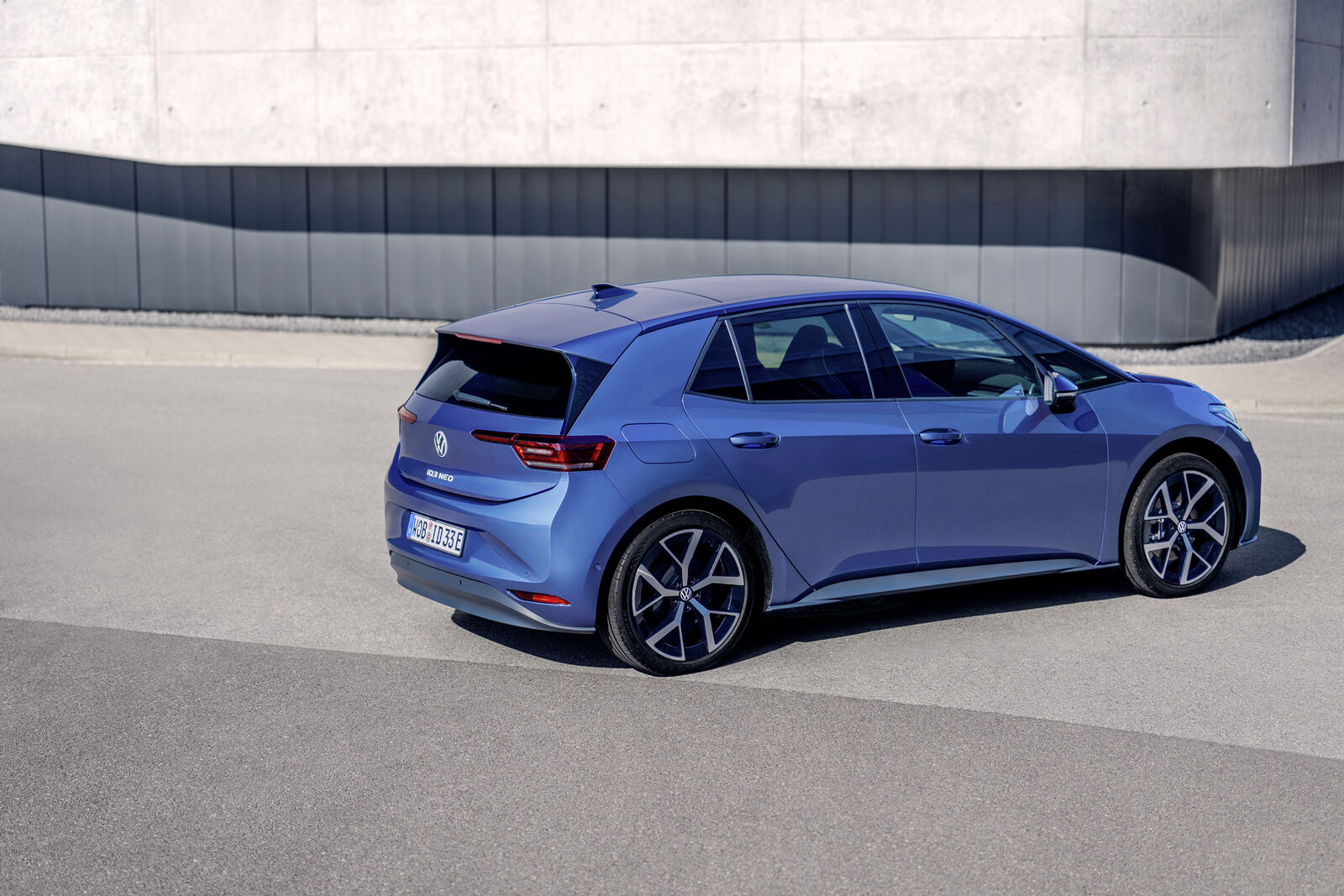
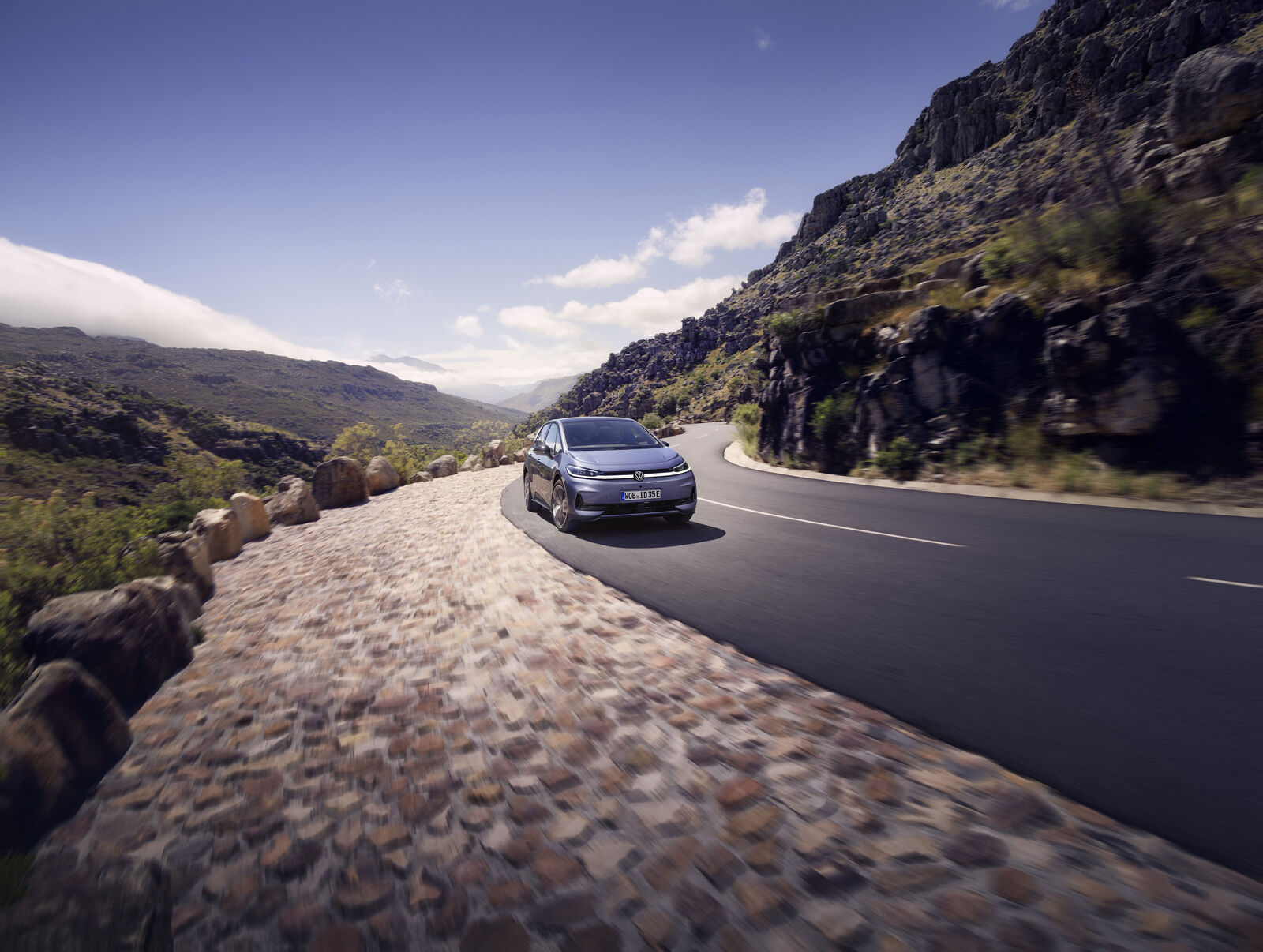
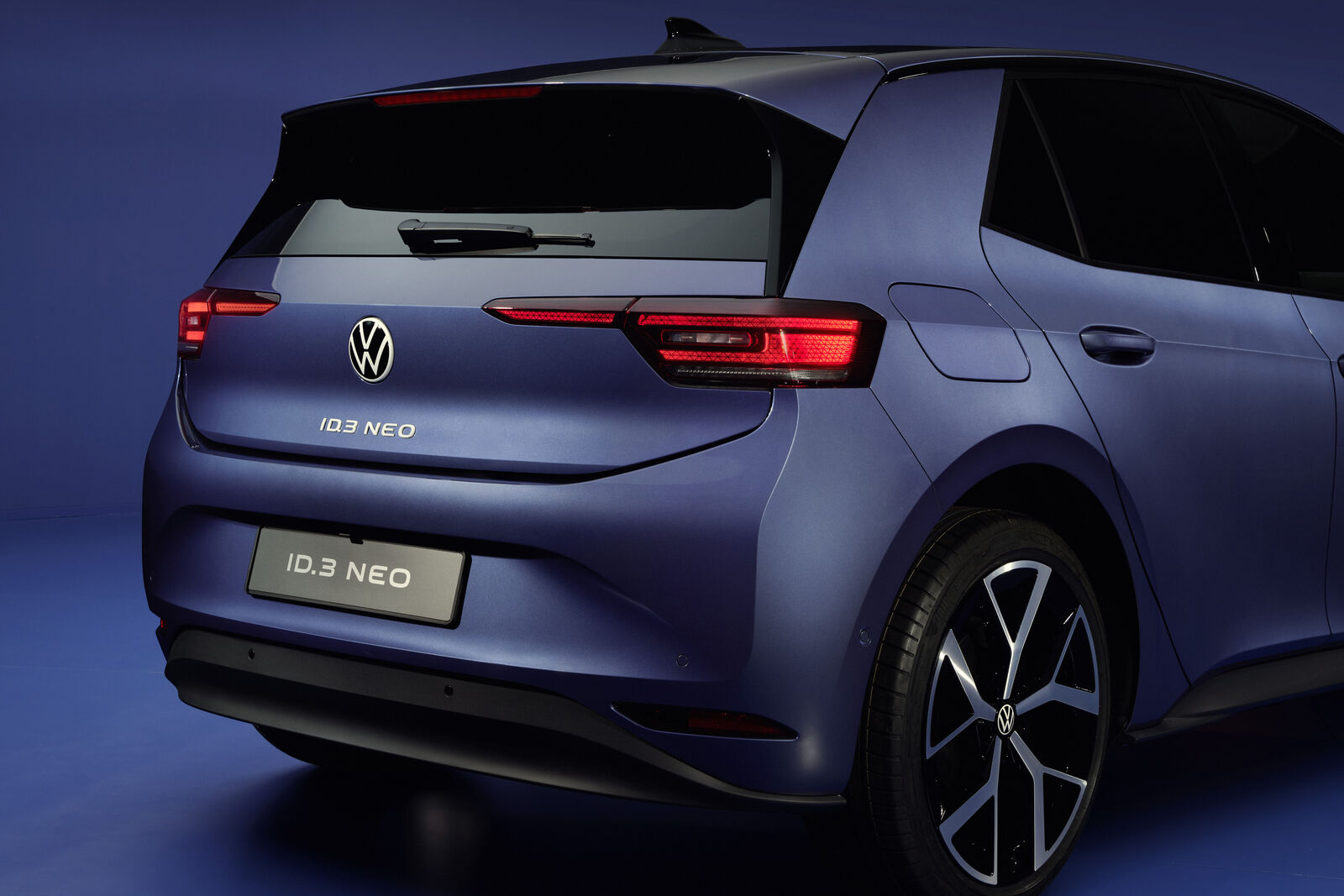
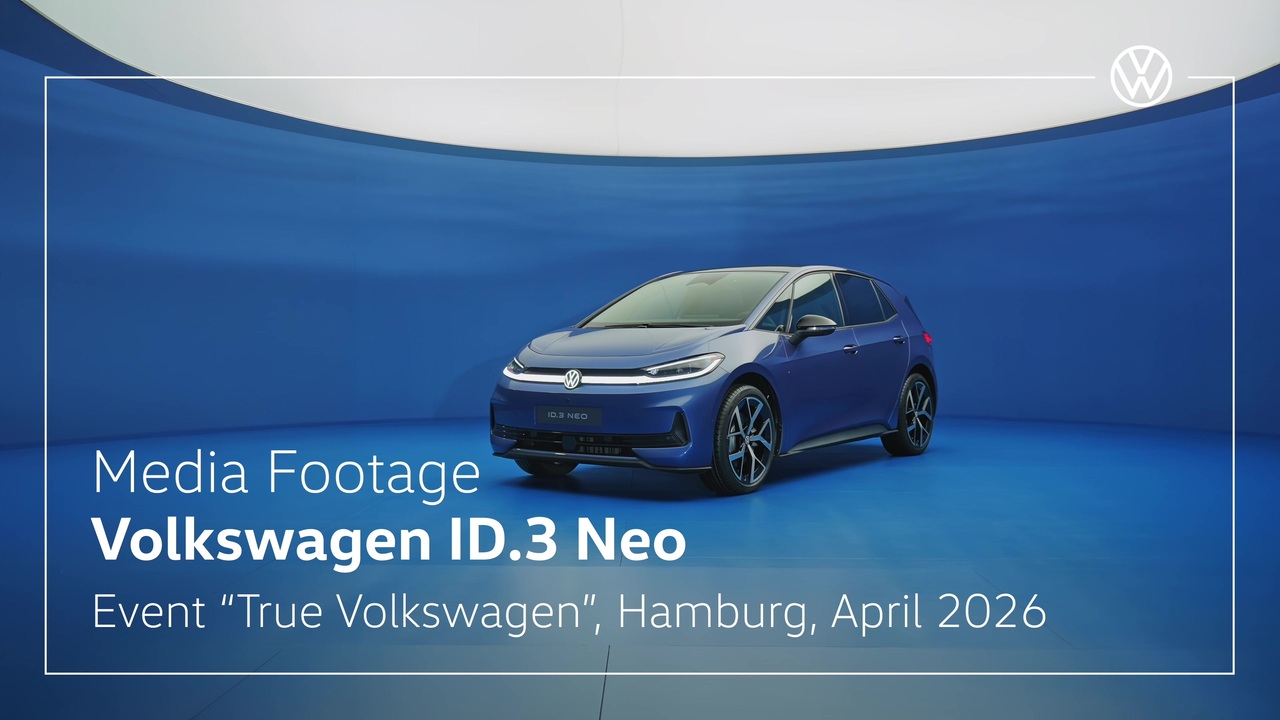
New design clarity. As outlined above, True Volkswagen stands for the brand’s focus on its strengths: a fascinatingly clear design, technical innovation, intuitive operation and long-lasting value. It is precisely these core brand values that are visible and tangible in the new ID.3 Neo. The exterior reflects the True Volkswagen philosophy in the newly designed front end. It now follows the Volkswagen Pure Positive design language defined by Andreas Mindt – Chief Designer of the brand and the Group. The design of the front end also creates a distinctive bridge to other new electric Volkswagen models such as the ID. Polo and ID. Cross. The same applies in particular to the completely redesigned interior of the ID.3 Neo, which also follows the Pure Positive design language.
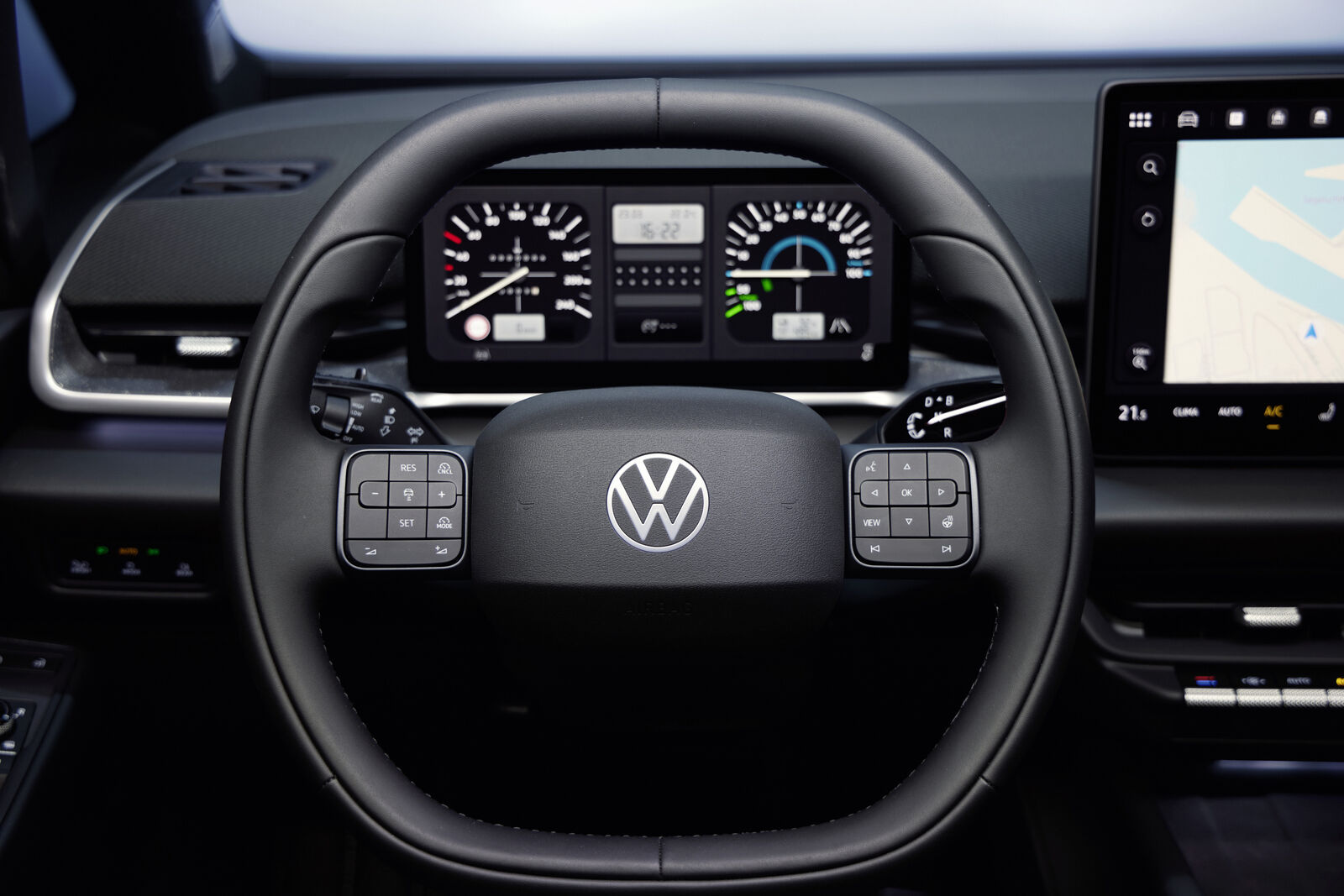
New interior world – 100% Volkswagen. At Volkswagen, the enhancement of an existing model is referred to as a product upgrade. In the case of the ID.3 Neo interior, Volkswagen went one major step further: the entire cockpit landscape and centre console, including the centre tunnel, is more like a complete transition to the next model generation in terms of development effort and results. This shows that Volkswagen has listened precisely to what customers expect in terms of operation, quality and design and has developed new solutions accordingly. As soon as the doors of the ID.3 Neo open, the eye is drawn to the high-quality materials that are pleasant to the touch, a clear horizontal layout of lines and surfaces, new ergonomic and self-explanatory operating controls, easy-grip buttons and intuitive controls for central functions. In addition, newly developed digital instruments, a new infotainment system (‘Innovision’), a new-generation multifunction steering wheel that is extremely easy to operate, sturdy centre armrests between the driver and front passenger as well as completely redesigned upholstery fabrics for the seats and doors ensure that the interior of the ID.3 Neo conveys the feeling of sitting in a vehicle of the mid-range class instead of a compact class.
New high-efficiency drive. The ID.3 Neo is one of the first Volkswagen vehicles to be based on the latest evolutionary stage of the modular electric drive matrix, the MEB+. In contrast to the front-wheel drive models, the ID. Polo and the ID. Cross, the rear-wheel drive variant of the MEB+ is used in the ID.3 Neo – this is an ideal match for the, in some cases, higher output and the package of larger batteries in the ID.3 Neo. The ID.3 Neo’s drive system is a new development. It is known internally at Volkswagen as APP350. The APP350 is highly efficient and replaces the previously used APP310 drive system in the ID.3 Neo. The only exception is the product line’s upcoming sporty flagship model, which will be equipped with its own drive system with the APP550 and launched at a later date. The higher efficiency of the APP350 compared with the APP310 reduces energy consumption. With the same battery size, the new ID.3 Neo will therefore achieve higher ranges than the ID.3. By the way, ‘APP’ is the abbreviation for Axial Parallel Position, which describes the configuration of the permanently excited synchronous motor; the numbers 350 and 550 respectively indicate the maximum torque in newton-metres.
New combinations. At the launch, the ID.3 Neo will be available in three equipment lines (Trend, Life and Style) and with three power outputs, as well as three different battery sizes. The three electric drive motors develop an output of 125 kW (170 PS), 140 kW (190 PS) and 170 kW (231 PS). The 125 kW version is coupled to a battery with an energy content of 50 kWh (net). It is the standard configuration of the ID.3 Neo Trend. The ID.3 Neo Life and ID.3 Neo Style will also be optionally configurable with a 58 kWh battery (net) and 140 kW output as well as a 79 kWh battery with 170 kW (net) output. The batteries with an energy content of 50 and 58 kWh will have a particularly constant and high DC charging capacity of up to 105 kW at DC quick-charging stations, while the 79 kWh version can charge with up to 183 kW. As mentioned, a new sporty flagship ID.3 model will follow as the most powerful version of the product line in the future.
New equipment lines. With the launch of the new ID.3 Neo, the ID.3 equipment versions Pure, Pro and Pro S will be replaced by the equipment lines Trend, Life and Style familiar from the Volkswagen world. What all three lines have in common is excellent standard equipment, which differ in terms of comfort, design and technical scope.
New possibilities. Details such as a large panoramic roof, the 360-degree Area View, a massage and memory function for the front seats, a premium sound system from Harman Kardon, the memory function for Park Assist Pro, an augmented reality head-up display and a removable bracket for ball couplings for attaching a bicycle carrier (75 kg drawbar load) are available as options. The versatility of the electric compact model is increased by the vehicle-to-load function, which can be used to operate or charge other devices. Volkswagen offers an adapter, which is plugged into the charging interface, for this purpose. This makes the ID.3 Neo perfect for weekend trips with two e-bikes, which can not only be transported easily and safely thanks to the bicycle carrier bracket, but can also be recharged directly at the car between two rides.
New intelligence. Thanks to the latest software, the ID.3 Neo comes with a range of cutting-edge assist systems as standard. In addition, assist systems such as the next generation of Travel Assist will be available as an option. Since the system is able to use swarm data for the first time, it has been renamed as Connected Travel Assist, as described above. The assist system for assisted lateral and longitudinal guidance now also reacts to traffic lights for the first time – a first for this segment. If the new Connected Travel Assist function detects a red traffic light, it automatically brakes the compact Volkswagen to a standstill. Another new feature is One Pedal Driving, which rapidly decelerates the ID.3 Neo through control of the accelerator pedal alone.