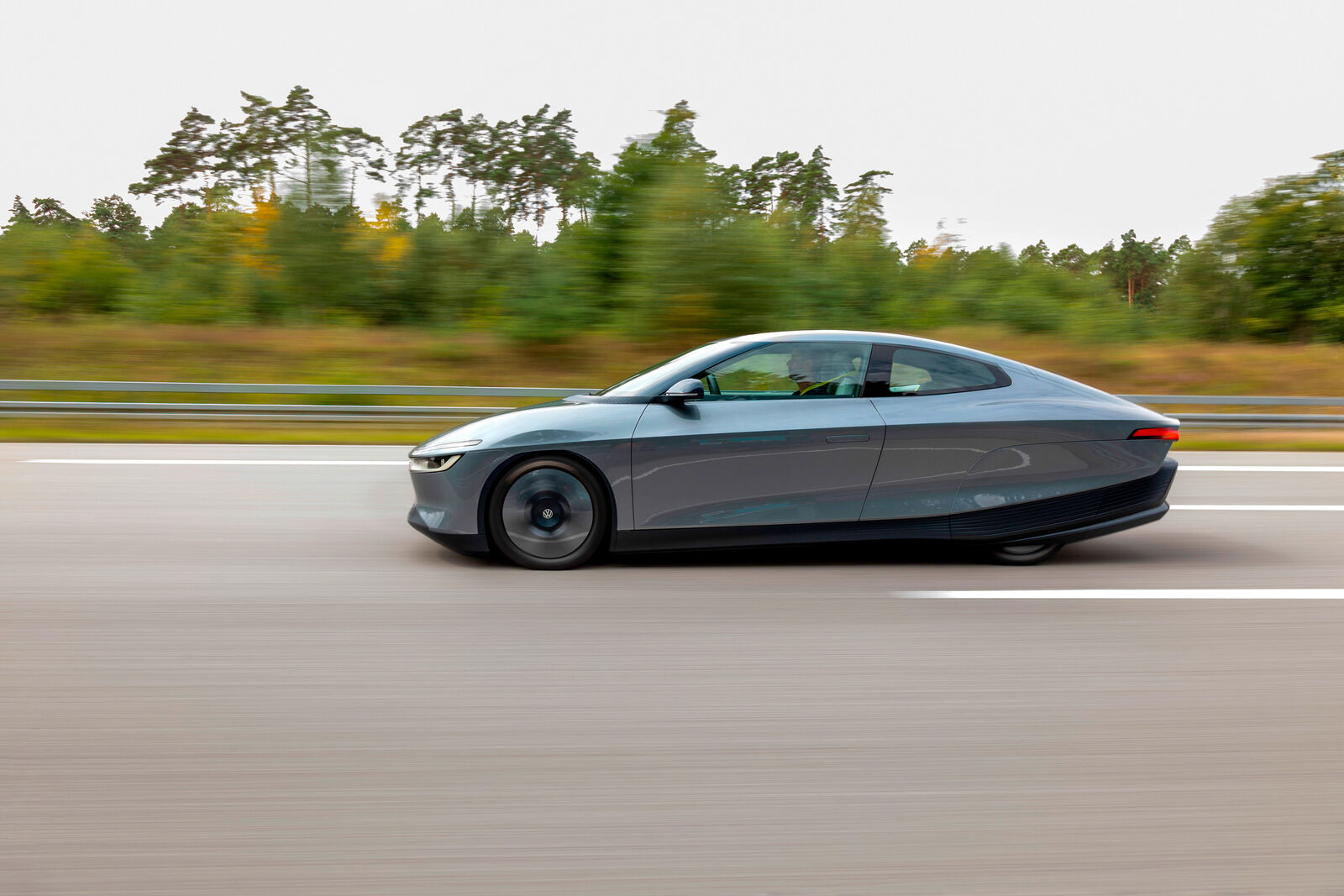
Average consumption of 6.89 kWh/100 km. During an officially documented consumption drive over a distance of 1,278.36 km from Volkswagen’s German Research & Development Centre in Wolfsburg via Poznań (Poland) and Olmütz (Czech Republic) to the Austrian capital Vienna, the Mission Efficiency electric drive motor came in at a real consumption of just 7.51 kW/100 km including charge losses (6.89 kWh/100 km without charge losses). The route was completed at an average speed of 67.72 km/h; the top speed was 138 km/h. The 54.9 kWh battery (net) was only charged once during the journey. Upon arrival in Vienna, the remaining range was 164.0 km.
Vienna was deliberately chosen as the destination for the record-breaking trip: the new ID. Polo is currently being presented to the international media there. In technical terms, the Mission Efficiency is based on precisely this large-scale series production vehicle or the MEB+ with front-wheel drive. Among other things, the 99 kW (135 PS) electric drive motor and high-voltage battery were adopted from series production. This makes the Mission Efficiency much more than just a technology statement: the records show the efficiency potential already in the new generation of Volkswagen electric models.
Based on series production technology. Thomas Schäfer, CEO of the Volkswagen brand, Head of the Brand Group Core and member of the Group Board of Management: “Mission Efficiency is the ideal way to demonstrate what distinguishes Volkswagen in the electric age: technology for the masses – not just for the few. Rather than using specialist technology, the vehicle set its three world records using affordable production technology from the ID. Polo and ID. Cross based on the MEB+ with front-wheel drive. This shows how much potential efficiency we can add to the latest generation of our electric cars. Developed in Wolfsburg and built by Kai Grünitz and his team, the Mission Efficiency is a symbol of German engineering expertise with clear customer benefits.”
Record-breaking vehicle reflects the potential of the MEB+. Kai Grünitz, member of the Volkswagen Brand Board of Management responsible for Development and member of the Brand Group Core Board of Management for Development: “The new Mission Efficiency impressively demonstrates the huge potential of the drive system in our new ID. Polo. Developed for all MEB+ models with front-wheel drive, the system is extremely lightweight, very efficient and thus the ideal drive system for the record-breaking vehicle. It is also the result of the outstanding performance of the team in Wolfsburg which developed the Mission Efficiency. First of all, the team has proven that Volkswagen is also one of the world’s leading manufacturers in the field of aerodynamics. At the same time, our team has impressively demonstrated that you can build the most efficient car in the world with affordable large-scale production technology.”
Made in Wolfsburg. As Head of Volkswagen Preliminary Development, Christoph Riechel coordinated the collaboration between the team members: “In Wolfsburg, we have the capability to leverage the full spectrum of modern automotive manufacturing and develop technology flagships such as the Mission Efficiency – a project in which the combination of innovative technologies and Volkswagen’s inherent drive to explore the boundaries of what is technically possible has resulted in the most efficient e-vehicle in its class.” It is interesting to note that the Mission Efficiency demonstrates its efficiency potential compared with the production variant of the ID. Polo especially at higher speeds: at speeds of 80 km/h and above, the consumption advantage is more than 30 per cent. In other words: a trip in the Mission Efficiency at 140 km/h consumes approximately as much energy as a trip in the ID. Polo at 100 km/h.
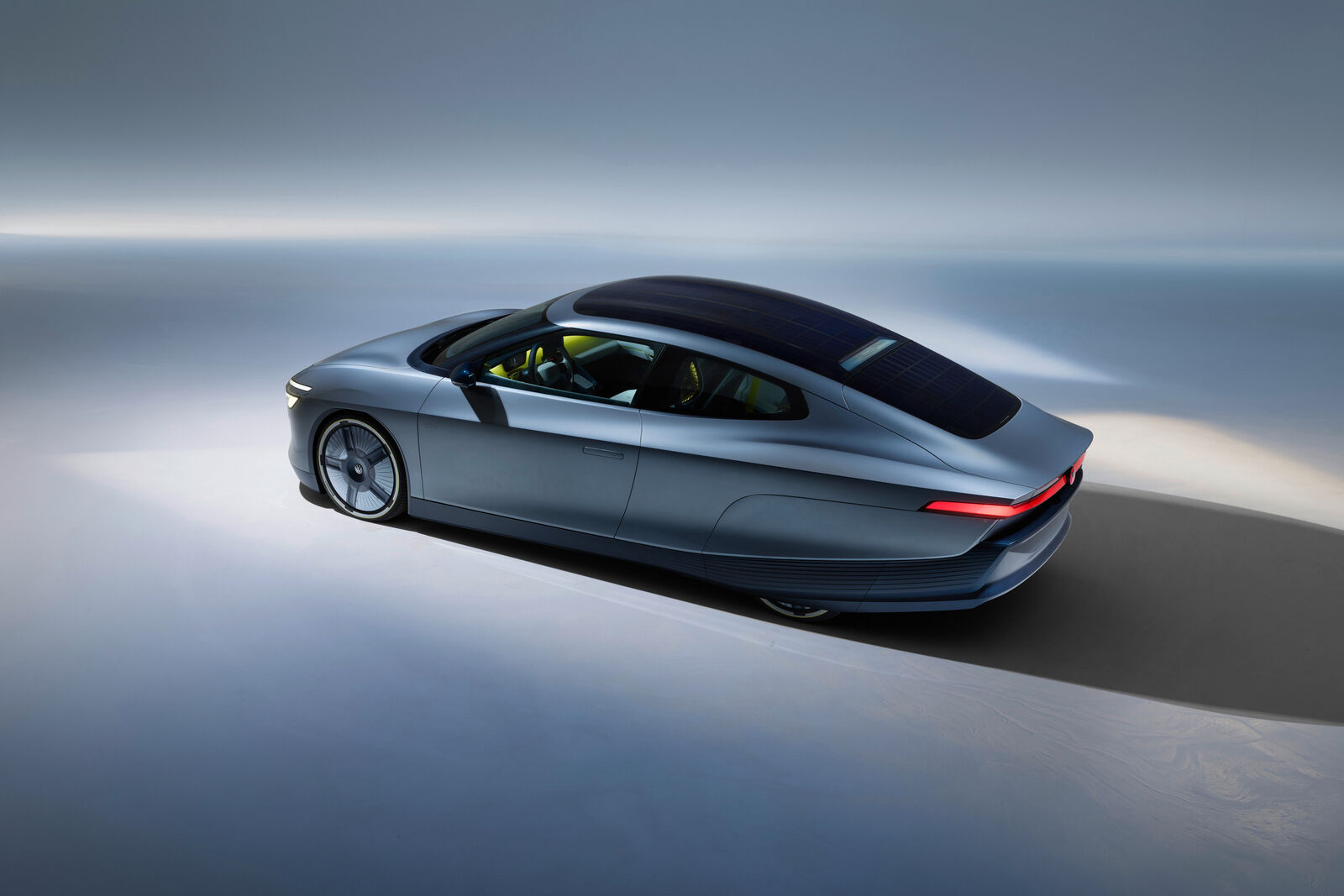
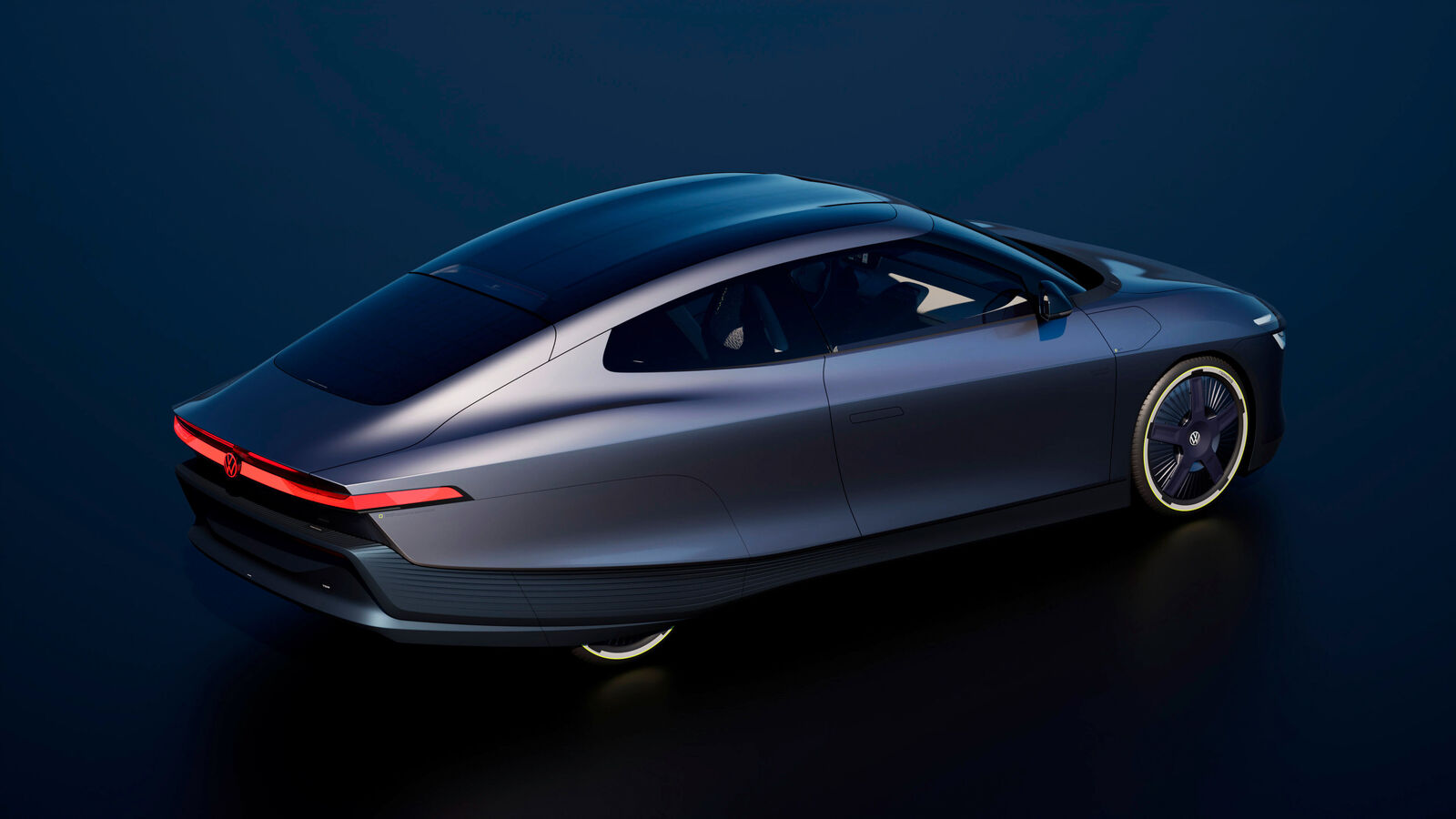
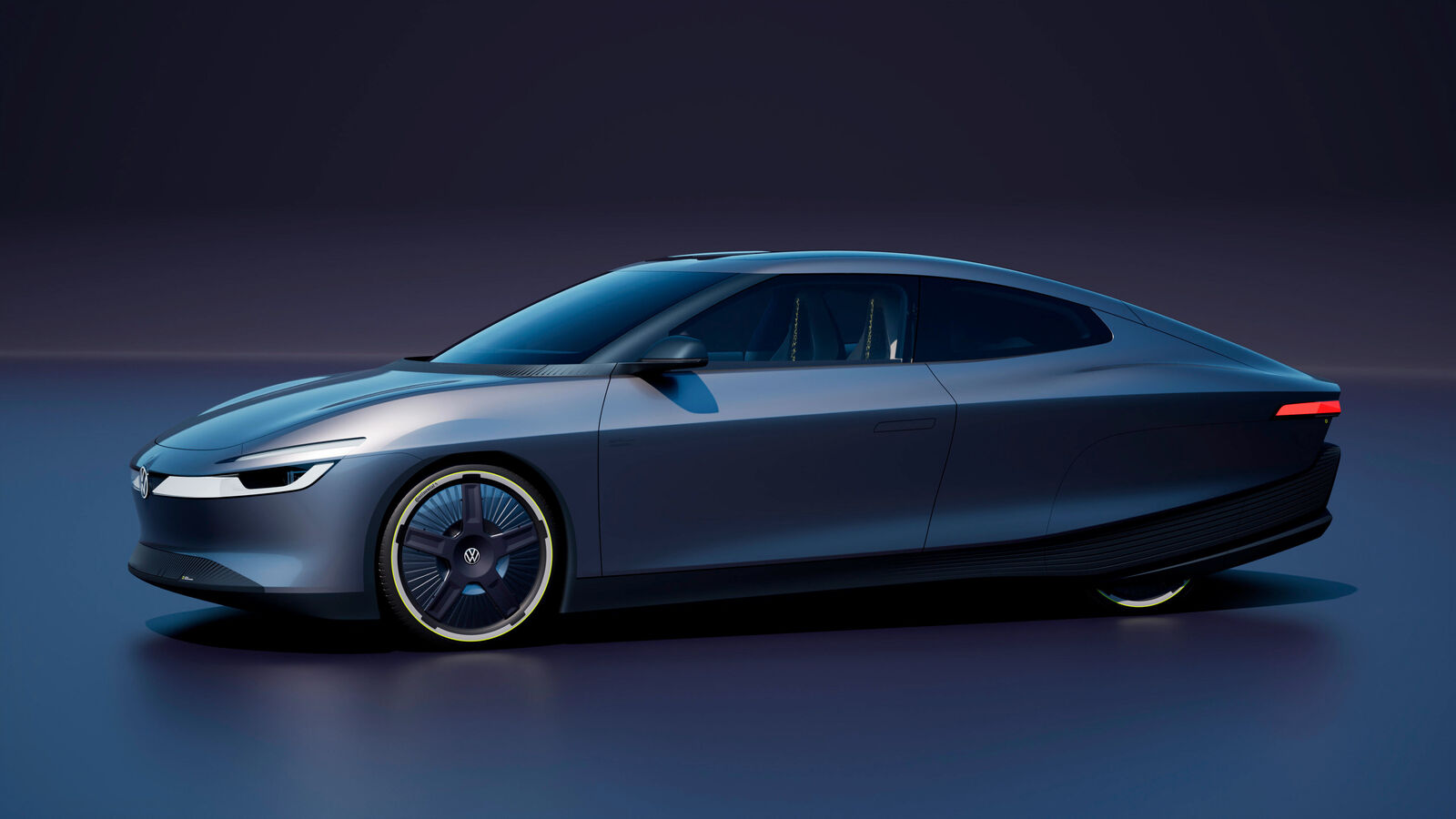
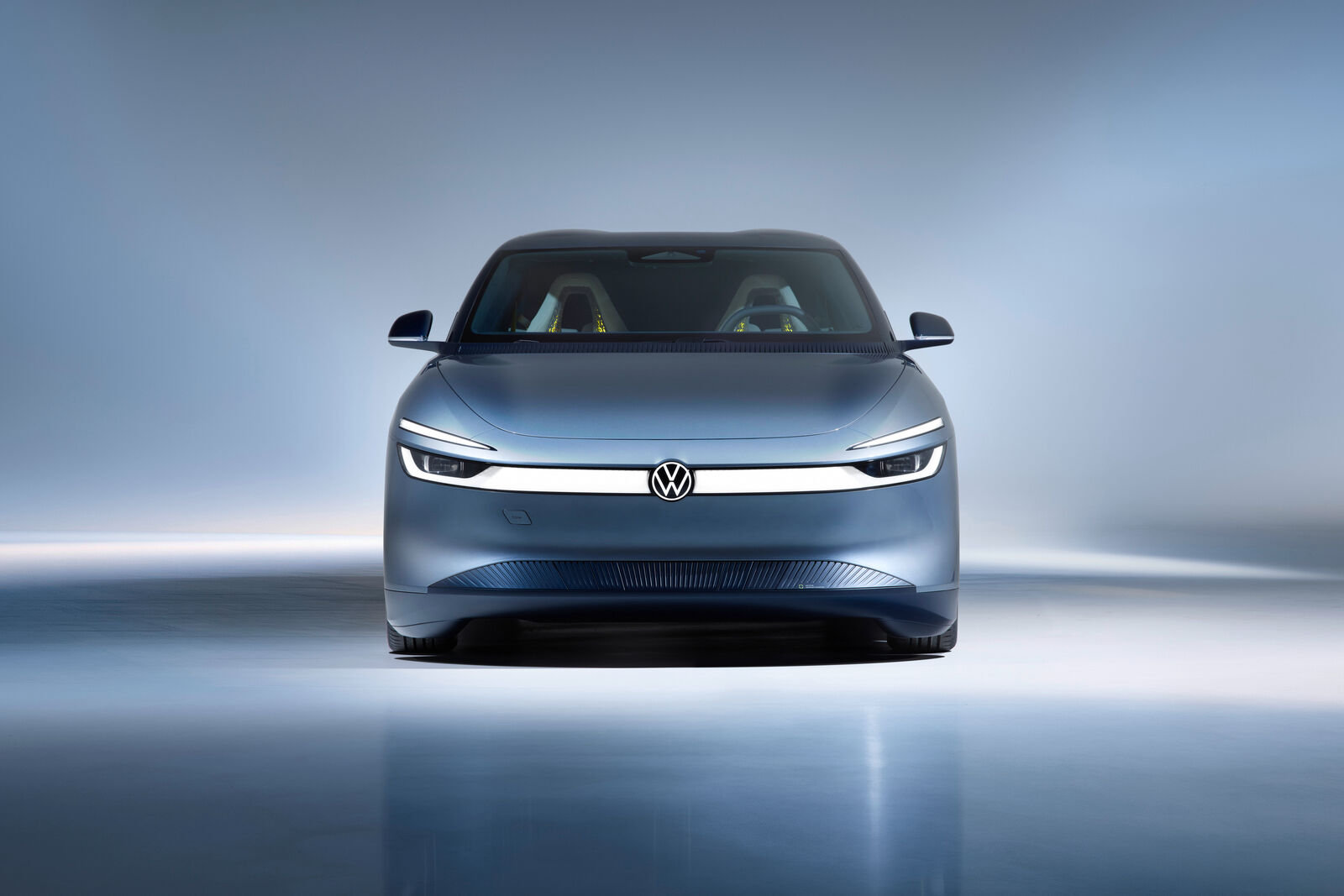
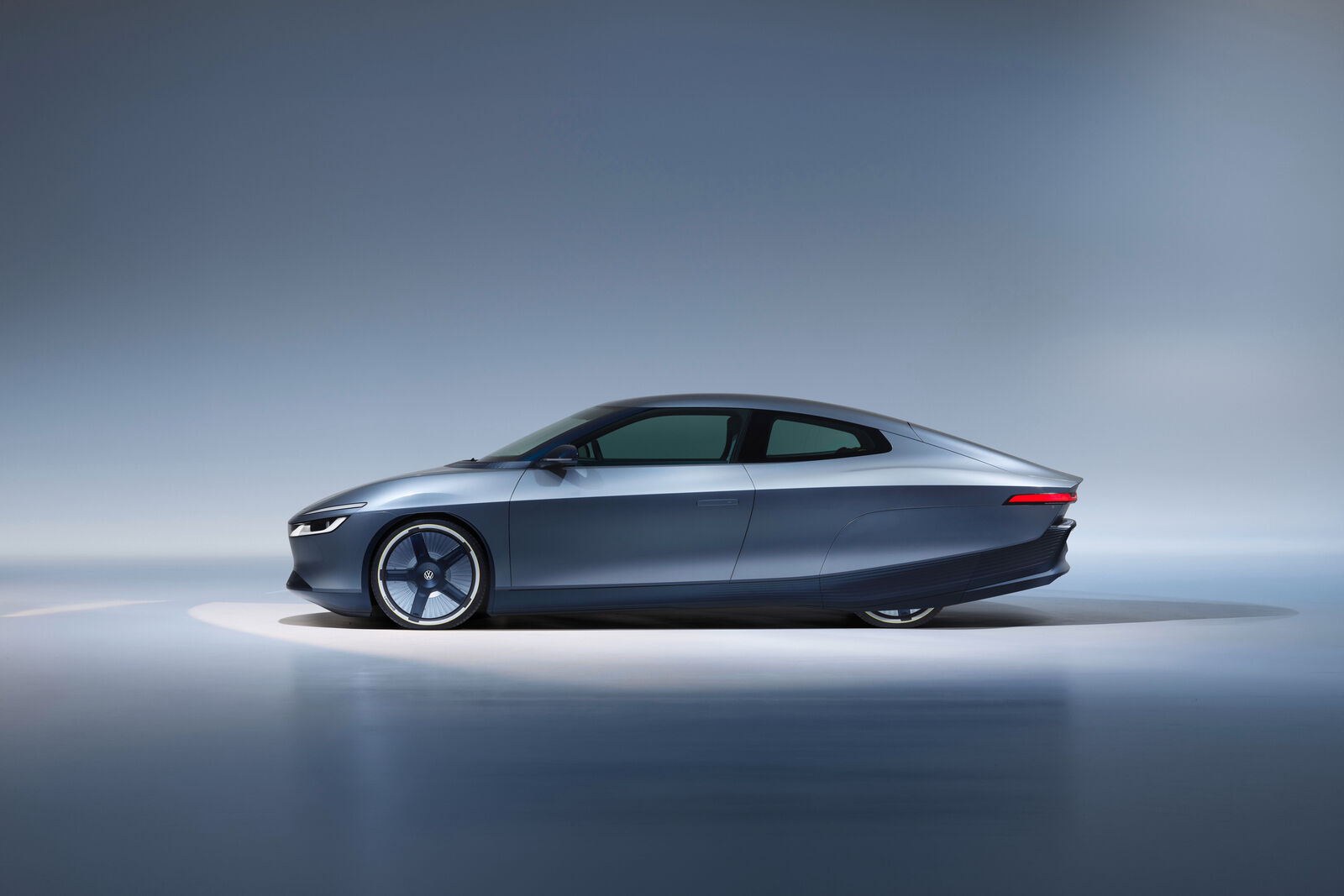
Form follows aerodynamics. Visually, the Mission Efficiency is based on the new Volkswagen Pure Positive design language. Head of Design Andreas Mindt: “With its front end, the Mission Efficiency joins the new electric vehicle family around the ID. Polo and ID. Cross. The shape of the body itself uncompromisingly follows function and thus the laws of aerodynamics. This has resulted in the design of a state-of-the-art high-efficiency sports car in which the DNA of the legendary Volkswagen XL1 shines through.” The XL1 presented in 2013 with a plug-in hybrid drive was the world’s most economical production car.
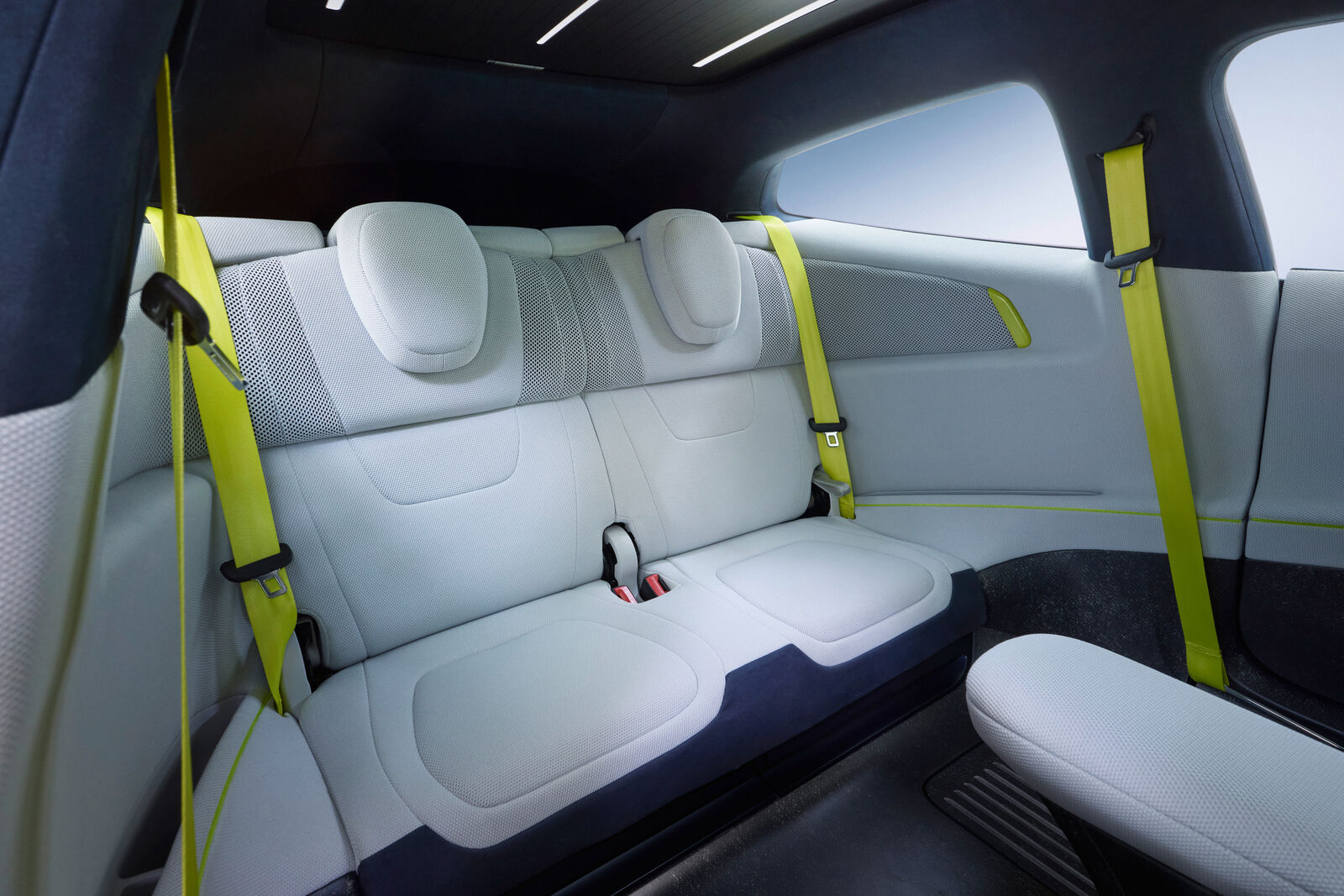
2+2-seater. The Mission Efficiency is a two-door coupé with a large boot lid, 2+2 seats, a variable luggage compartment (481 litres) as well as additional stowage compartments under the rear seats and in the side of the body (e.g. for the charging cable). While the interior can be used without restriction at the front, the two rear seats are intended for passengers up to a height of approx. 1.60 m. The coupé is nevertheless characterised by extremely good space utilisation for a record-breaking high-efficiency vehicle. The concept car was designed in such a way that it could theoretically be used by a young family of four.
Pioneering aerodynamics. The pioneeringly low drag as a product of the drag coefficient (Cd= 0.158) and small frontal area (A = 2.08 m2) is the central aerodynamic feature of the Mission Efficiency. The three active cooling air flaps integrated flush into the front end are a special technical detail. They can be opened and closed individually or in combination in several stages. Whenever possible, the flaps only provide the minimum opening area required in order to keep the air resistance as low as possible. Further along the body, the flow-optimised silhouette – complete with striking lower airflow guides and fully enclosed rear wheels – tapers towards the rear in a teardrop shape, preventing braking aerodynamic turbulence from forming. Integrated into this fluid design is the very long roofline that sweeps down towards the rear, like in the legendary XL1. In addition, the fully clad underbody helped Volkswagen to establish a new benchmark in terms of aerodynamics. The aerodynamics and design teams used as reference points vehicles such as the XL1 and the record-breaking ID.R (fastest vehicle at the Pikes Peak International Hill Climb and fastest e-vehicle on the Nürburgring Nordschleife) as well as design features seen on supersonic jets.
Very flat, very long. The Mission Efficiency is 1,392 mm high, 1,744 mm wide and 4,775 mm long. Compared with the ID. Polo, this results in a significant increase in length (+722 mm). This additional length is due to a 100 mm longer wheelbase (2,700 mm) and a large rear overhang, which allowed the technical and design team to realise the teardrop shape of the body and the related pioneering aerodynamics. The doors of the Mission Efficiency feature frameless windows, also beneficial for aerodynamics. The door handles have been integrated into the outer skin for optimum airflow. They extend electrically, but still operate the lock itself mechanically; they can also be opened without problems in the event of a power failure. In contrast, the aerodynamically optimised exterior mirrors have a conventional design. Calculations and wind tunnel tests revealed that purely camera-based exterior mirrors would barely have been more efficient overall, but significantly more expensive in the context of series production – a possibility never completely ruled out.
Body structure and materials. The Mission Efficiency and the ID. Polo share the same drive system, the front axle including steering and the basic design of the rear axle. When comparing the concept car and the production vehicle, it is clear that numerous components of the ID. Polo had to be adapted to the new proportions and new design of the Mission Efficiency. The body combines the body structure of the ID. Polo with a likewise self-supporting aluminium structure. The doors, bonnet, boot lid as well as the wings and add-on parts are made of a high-strength CFRP aramid composite. The prototype also has EU road approval and meets the corresponding protection, strength and crash requirements.
Chassis design and handling. The standard MacPherson front axle of the ID. Polo is used at the front. Compared with the ID. Polo, the Mission Efficiency’storsion beam axle has been made 170 millimetres narrower in order to reduce the track width and thus allow realisation of the teardrop-shaped design. Another objective of this narrower shape was to optimise the aerodynamics of the underbody at the rear. For this purpose, the spring/damper components had to be moved out of the airflow. Despite the narrower rear-axle track, the Mission Efficiency – with a slightly firmer setup than the ID. Polo – drives safely and neutrally and thus in a manner typical for a Volkswagen.
New semi-dry brake system. The Mission Efficiency has a new, semi-dry brake system. At the front is the hydraulic brake from the ID. Polo with its clearly defined response, while there is a new electromechanical brake at the rear. The brake at the rear, which was implemented for the first time in this concept car, reduces friction losses at the rear axle to almost zero, which leads to an increase in range. As another benefit, it was possible to omit the lines and brake fluid for the rear axle brake – this is also one of many measures to save weight wherever possible and make the most economical use of the space. In terms of driving dynamics, the brake force can be distributed variably to the wheels by the new electromechanical brake, which not only further improves recuperation, but also ensures more stable cornering and makes braking more comfortable and at the same time more powerful. The new brake was developed by Volkswagen together with international technology company AUMOVIO, which supplies the brake system for the ID. Polo.
Harnessing the sun’s energy. Volkswagen has integrated a 370 W photovoltaic system into the glass roof and boot lid of the Mission Efficiency to optimise airflow. The system supplies the vehicle electrical system consumers. And this reduces the energy consumption of the high-voltage battery and increases the overall efficiency as well as the vehicle’s real range. Depending on the season, region and weather conditions, the photovoltaic system increases the range by up to 30 kilometres per day.
‘Bring your own device’. The interior of the Mission Efficiency is largely individually customised – in line with the character of a concept car. Modules such as the multifunction steering wheel, steering column switches, slightly shortened air conditioning block with haptic buttons and the central volume control have been adopted from the ID. Polo. However, the lightweight dash panel and door trims, door handle loops as openers as well as the strikingly styled sports seats and rear seats are new. Permanently installed speakers are replaced by a mobile Bluetooth box for weight reasons. As something that immediately catches the eye: unlike the ID. Polo, there is no permanently integrated infotainment display. Instead, a concept called ‘Bring your own device’ was developed here. The name says it all: the function of the infotainment screen is taken over by the driver’s own Android or Apple tablet/smartphone, which is locked in position by a clamping rail and connected wirelessly to the vehicle. All of the infotainment system’s functions are displayed on the screen of the paired device.
Mission Efficiency – technical data |
| Drive | MEB+, front-wheel drive |
| Battery size (net)4 | 54.9 kWh |
| Power | 99 kW (135 PS) |
| DC charging capacity (max.) | 105 kW |
| WLTP driving consumption | 8.4 kWh/100 km |
| Consumption during record trip | 7.51 kW/h incl. charge losses
6.89 kWh/100 without charge losses |
| Vmax and 0-100 km/h | 160 km/h and 9.0 s |
| Length | 4,775 mm |
| Width | 1,744 mm (without mirrors) |
| Height | 1,392 mm |
| Wheelbase | 2,700 mm |
| Cd x A | 0.158 x 2.08 m2 |