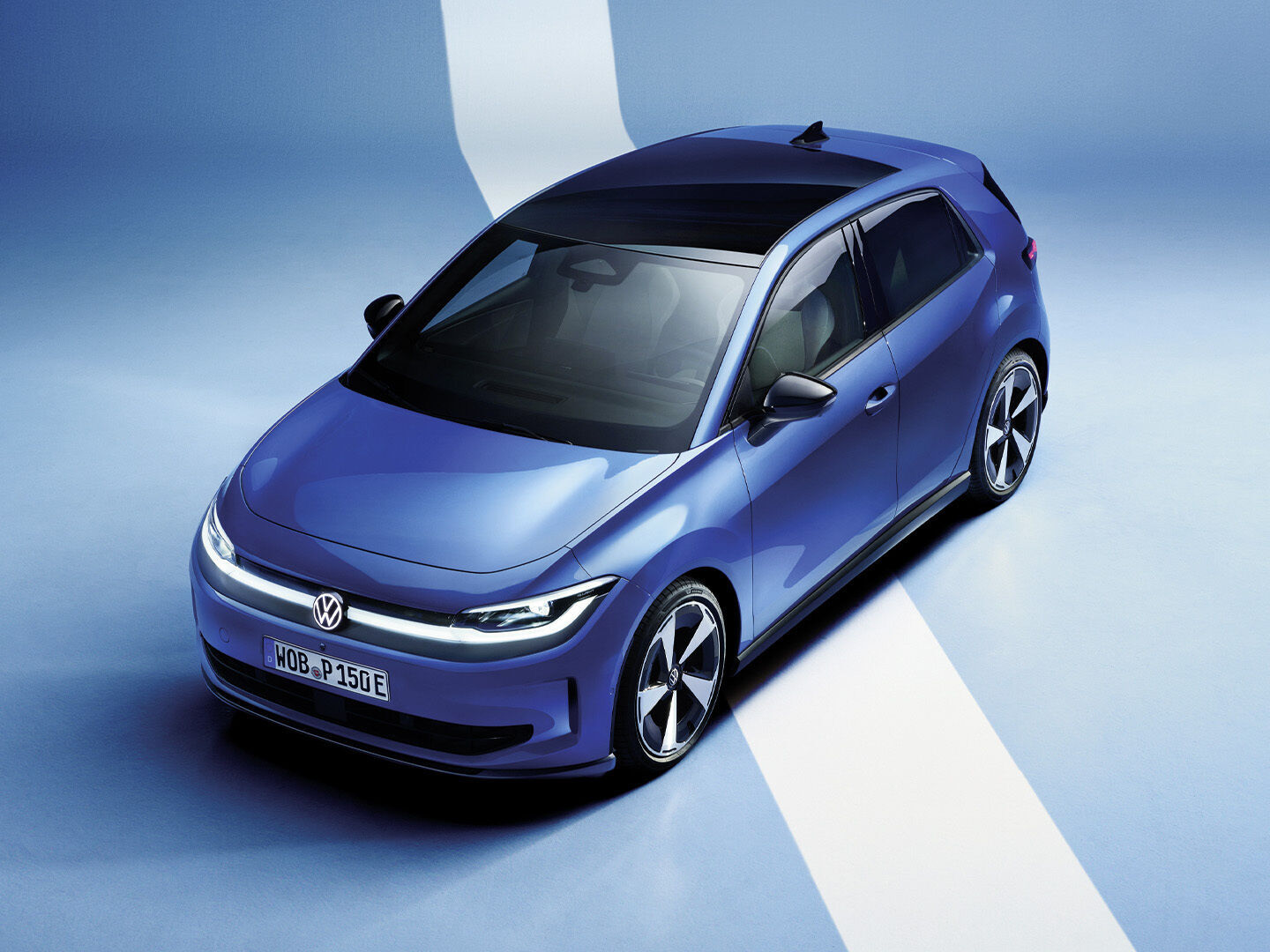
1. What is the Volkswagen ID. Polo?
The Volkswagen ID. Polo is the first fully electric generation of the Polo in the small‑car segment. It is based on the MEB+ platform and is powered exclusively by a battery‑electric drivetrain.
2. When can the ID. Polo be ordered?
Pre‑sales of the Volkswagen ID. Polo start at the end of April 2026.
3. Which versions of the ID. Polo will be available?
The ID. Polo will be offered in the Trend, Life and Style trim levels. The sporty ID. Polo GTI will follow in 2027.
4. How much does the ID. Polo cost?
The entry price for the ID. Polo Trend in Germany is EUR 24,995.
5. What range does the ID. Polo offer?
Depending on the battery version, WLTP range is up to 329 km (37 kWh) or up to 454 km (52 kWh).
6. What battery sizes are available?
The ID. Polo is available with two net battery capacities:
- 37 kWh (LFP battery)
- 52 kWh (NMC battery)
7. What power outputs are available?
The ID. Polo is offered with three power levels:
- 85 kW (116 hp)
- 99 kW (135 hp)
- 155 kW (211 hp)
- The ID. Polo GTI will follow with 166 kW (226 hp).
8. How fast can the ID. Polo be charged?
All versions support DC fast charging:
- up to 90 kW with the 37 kWh battery
- up to 105 kW with the 52 kWh battery
- Charging from 10 to 80% takes approximately 23–24 minutes.
9. Is fast charging standard equipment?
Yes. DC fast charging is standard on all ID. Polo variants.
10. How much interior space does the ID. Polo offer?
The ID. Polo seats five people and offers more interior space than the conventional Polo. Rear passengers benefit from an additional 19 mm of legroom.
11. How large is the luggage compartment?
Luggage capacity is 441 litres. With the rear seats folded, capacity increases to up to 1,243 litres.
12. What are the dimensions of the ID. Polo?
- Length: 4,053 mm
- Width: 1,816 mm
- Height: 1,530 mm
- Wheelbase: 2,600 mm
13. What drive layout does the ID. Polo use?
The ID. Polo features an electric front‑wheel drive based on the MEB+ platform.
14. What is the MEB+ platform?
MEB+ is Volkswagen’s advanced electric platform. It enables compact drivetrain packaging, more interior space, lower weight and improved efficiency.
15. What does “Group unified cell” mean?
The group unified cell is a new lithium‑ion battery from the Volkswagen Group using cell‑to‑pack technology. It increases energy density while reducing packaging space and costs.
16. Can the ID. Polo supply power to external devices?
Yes. The ID. Polo supports Vehicle‑to‑Load and can supply external devices with up to 3.6 kW via an adapter.
17. Is towing possible with the ID. Polo?
With an optional towbar, the ID. Polo can tow trailers up to 1,200 kg at an 8% gradient.
18. What driver assistance systems are available?
Numerous assistance systems are standard. Optional features include Connected Travel Assist with automatic traffic light recognition.
19. What is Connected Travel Assist?
Connected Travel Assist supports longitudinal and lateral vehicle guidance and can respond to traffic lights by automatically stopping at red lights.
20. Does the ID. Polo support one‑pedal driving?
Yes. One‑pedal driving is standard and enables strong deceleration using only the accelerator pedal.
21. What displays are installed in the interior?
The ID. Polo features:
- a 10‑inch digital cockpit
- a 13‑inch infotainment display
22. What is the “retro display”?
The retro display shows a digitally recreated instrument layout inspired by the Golf I directly in the digital cockpit.
23. What materials are used in the interior?
Many interior materials are made from 100% recycled PET. Higher trim levels also use SEAQUAL® yarn sourced from recycled marine plastic.
24. Are massage and comfort seats available?
Yes. Optional electrically adjustable 12‑way seats with pneumatic massage function and memory are available.
25. What distinguishes the suspension setup?
The suspension combines a MacPherson front axle with a compact torsion‑beam rear axle, balancing comfort, precise handling and efficient recuperation.
26. How quiet is the ID. Polo at low speeds?
The ID. Polo features a newly developed exterior sound, active up to 25 km/h, to protect pedestrians.
27. How can charging at home be made cheaper?
In combination with the Volkswagen Naturstrom Flex tariff, the vehicle can automatically charge during low‑cost electricity periods, reducing charging costs by up to 30%.
28. Is the ID. Polo suitable without a private wallbox?
Yes. Extensive public charging offer are designed specifically for customers without private charging infrastructure.
29. Who is the ID. Polo particularly suitable for?
The ID. Polo is ideal for urban drivers, families, commuters and anyone seeking an affordable, fully electric vehicle with high everyday usability.
30. Is the ID. Polo suitable for dogs?
Yes, especially for small to medium‑sized dogs and for everyday use, city driving and weekend trips.
- Large luggage compartment:
The Volkswagen ID. Polo offers 441 litres of luggage space, expandable to 1,243 litres with the rear seats folded, providing sufficient room for a dog crate, dog mat or secured transport area. - Flat vehicle floor thanks to MEB+ platform:
The MEB+ architecture provides efficient space utilisation and a flat load floor, making entry easier for dogs and ensuring a stable footing during travel. - Low noise level:
The electric drivetrain operates very quietly, reducing stress for dogs compared with internal combustion vehicles. The legally required exterior sound is active only at low speeds. - Effective climate control:
The ID. Polo features standard automatic climate control (single‑ or dual‑zone depending on equipment), ensuring a stable interior climate even in stop‑and‑go traffic. - High everyday usability:
The five‑seat layout, generous interior space and good all‑round visibility make the ID. Polo a practical vehicle for dog owners in urban environments.