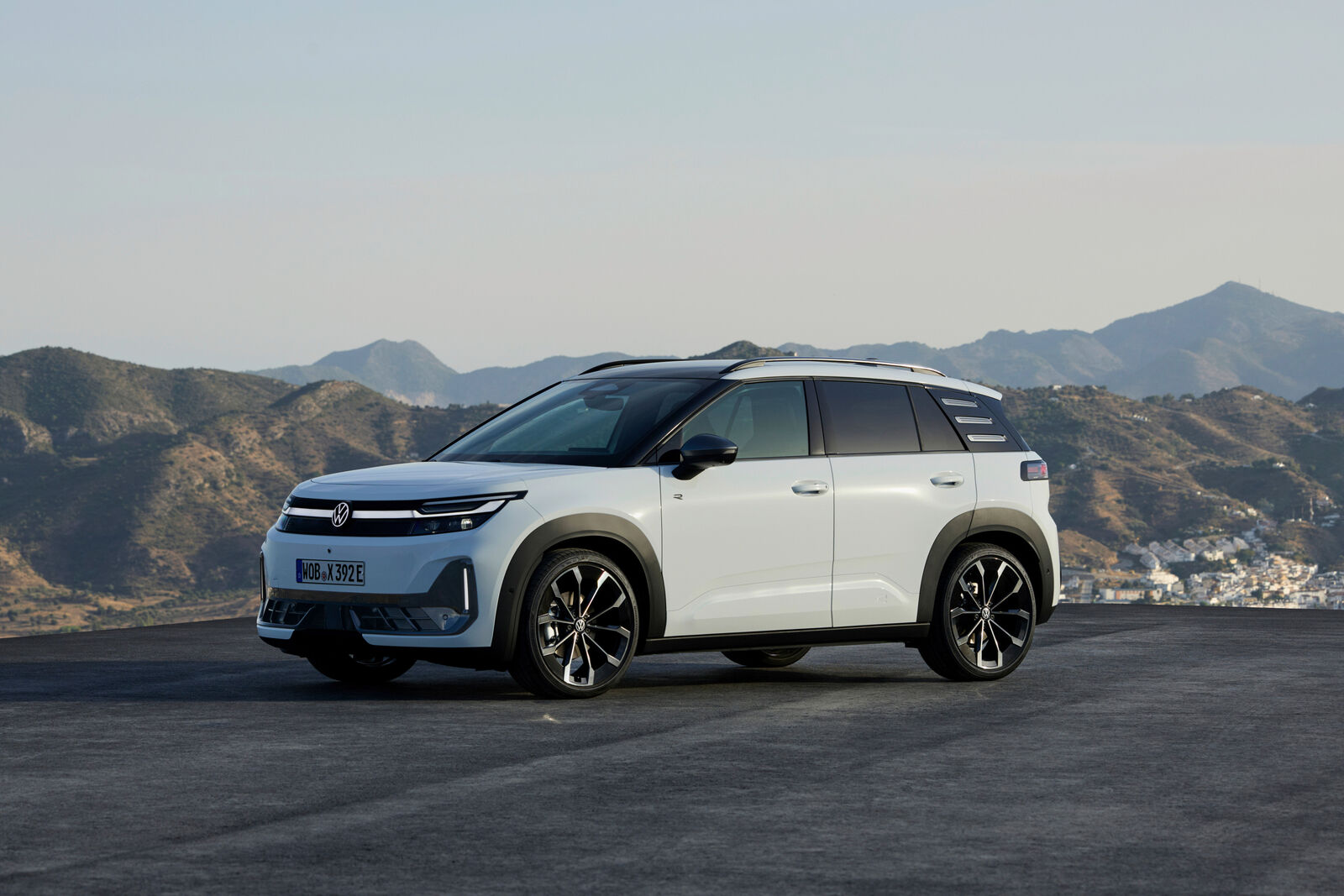
Features from higher segments. The ID. Cross is available with optional equipment that is not available in either the T-Cross model or several of its competitors in this class. This includes, for example, a high-end sound system from Harman Kardon with 425 watts of power, ten loudspeakers, including a centre speaker for clear voice transmission, and a subwoofer. One new feature that isn’t found anywhere else in this segment is the pneumatic massage function for the electrically adjustable 12-way front seats. Users can choose from three massage programmes – a luxury-class feature for a compact-class car. The electrically adjustable driver seat is also equipped with a memory function. Meanwhile, a 740 x 905 mm panoramic sunroof that stretches into the rear allows passengers to bask in the sunlight or watch the twinkling stars. An electric sunroof roller blind can bring shade to the interior if needed.
Premium sound in the compact class. A quick look at the high-end sound system developed together with Harman Kardon demonstrates just how much effort has been put into the development of the individual technologies and modules: Volkswagen is raising the bar for the ID. Cross segment, creating a sound experience that was previously reserved for the mid-sized and upper classes. The hardware equipment sets new standards in the compact class: Ten speakers – two tweeters and two bass loudspeakers at the front, one centre speaker, two tweeters and two bass loudspeakers in the rear plus a subwoofer in the luggage compartment – ensure an exceptionally even sound experience throughout the ID. Cross. Especially in the rear, this fosters a balanced soundscape without the need to increase the volume when children are listening to their music or audio content. A speaker in the middle of the dashboard, which we refer to as the centre speaker, also ensures that speech sounds clear and precise – ideal for podcasts and phone calls.
- A superior 425 watts. With a system output of 425 watts, the sound system is perfectly dimensioned for the interior of the ID. Cross. The powerful subwoofer, integrated into a specially designed housing body in the luggage compartment, delivers a deep, controlled bass. The four rear loudspeakers are also actuated via their own, very powerful booster. This architectural concept guarantees a high level of transparency and stability of playback, even under a wide range of acoustic conditions.
- Collaboration with sound experts. The system was developed in close cooperation with Harman Kardon. The focus was on precise differentiation and maximum acoustic transparency. The bass range is deliberately clear, focused and carefully tuned – powerful, but never dominant or exaggerated. The aim here was to create a “mature” listening experience that also impresses on longer journeys and is based on the standards of quality that audiophiles are used to. Volkswagen worked closely with the Fraunhofer Institute when it came to software programming and making vehicle-specific adjustments. A key outcome of this cooperation is something known as the Sonamic Panorama Algorithm. This technology releases individual sound sources from a classic stereo recording and distributes them around a U-shaped sound stage that surrounds the vehicle’s occupants. External elements of the soundstage are played back from the outer part of the rear, while signals placed in the centre remain acoustically stable in front of the listener. There is a noticeable improvement when it comes to the finer details, which are often concealed in conventional stereo playback. Particular attention was also paid to the consistent interaction between sound aesthetics and design. The acoustic properties of the interior surfaces were considered from the outset – from the exact specification of the loudspeaker grilles and their reflective behaviour to the fine-tuning of the system’s software fine-tuning depending on the surface materials used. Here, sound design and interior design blend seamlessly together.
PowerSocket. The versatility of the ID. Cross is increased by the vehicle-to-load function, which is used to charge other devices with a charging capacity of up to 3.6 kW. If, for example, you use the plug-in ball coupling with its 75 kg drawbar load to take your e-bikes with you on a weekend away, you can use the optional PowerSocket, a discharge adapter, to recharge them from the SUV’s charging socket. There are two versions: one as a normal domestic socket and a second as a camping socket (CEE 230 V).